
























Interior Zip Screen
Interior zip screen. An indoor blind system whose side channels let no light leak in at the edges.
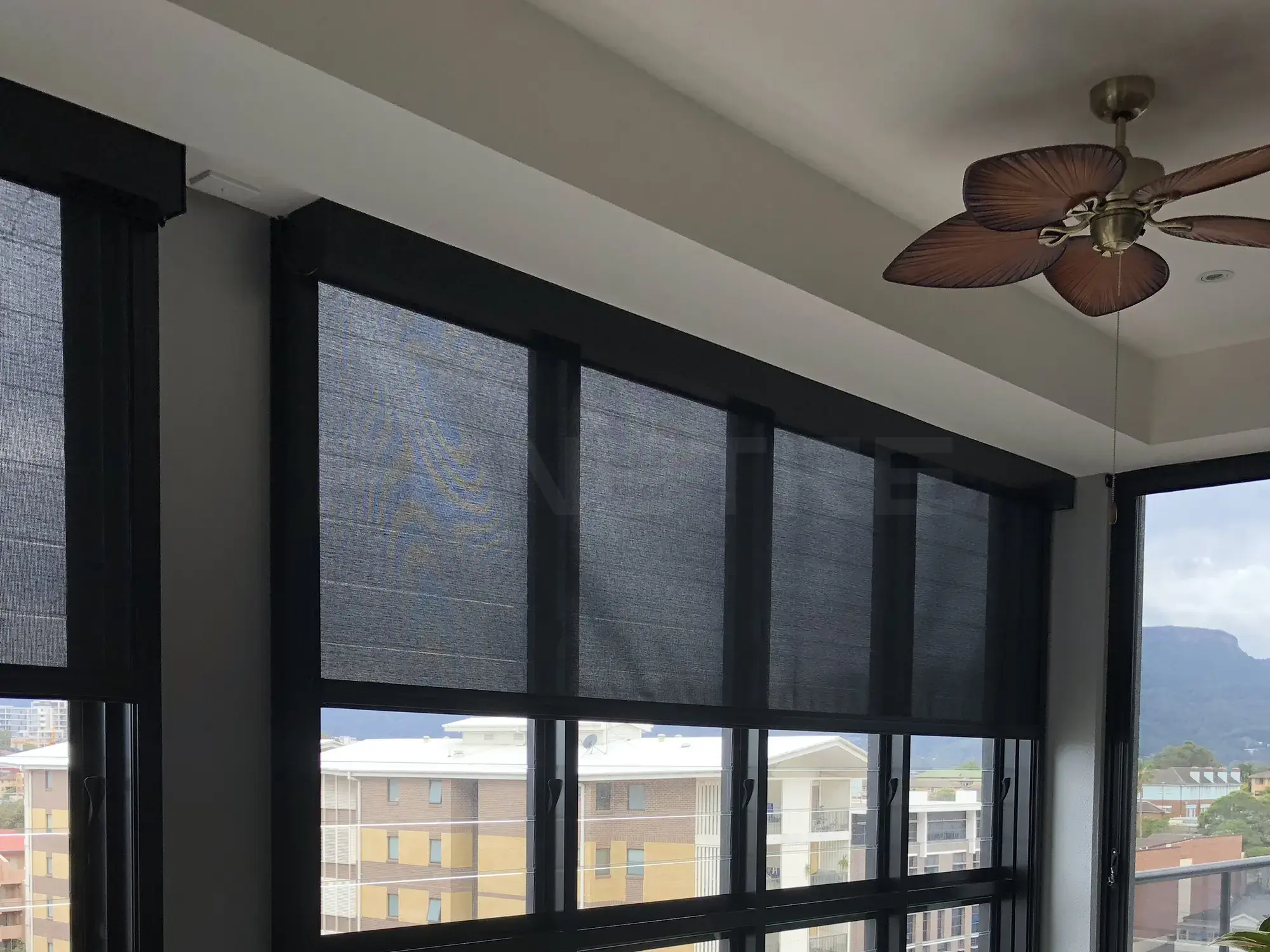
- Light TightThe in-channel run cuts edge light.
- Slim CassetteA profile that does not look bulky indoors.
- Quiet OperationThe in-channel run does not creak.
Who Is the Interior Zip Screen For?
- Bedroom
- Nursery
- Presentation Room
- Office
- Cinema Room
Side channels cut edge light — full darkness with blackout fabric.
Interior Zip Screen
- Stock Code:
- FS-ZIP-04
- Availability:
- Manufactured on Order
- Brand:
- FENETRE
- Category:
- Zip Screens
The channelled cassette is made to the glazing size — full blackout that cuts edge light.
With blackout fabric it gives full darkness — chosen for bedrooms, children’s rooms and media rooms.
Technical Specifications
Interior Zip Screen manufacturing values
- CassetteA slim indoor cassette profile
- Aluminium Box
- FabricBlackout or screen fabric
- Blackout / Screen
- Side ChannelA lock that cuts edge light
- Zip Locked
- MechanismChain or motor drive
- Chain / Motorised
- MountingFitted inside to wall or ceiling
- Indoor
- CompatibilitySleep and presentation rooms
- Home · Office
The cassette and channels are screwed inside around the window.
Because the fabric works inside the channel, no light passes at the edges.
- The width and height of the glazing are taken (cm).
- The mounting place is stated — wall or ceiling.
- The frame margin for the channel depth is noted.
For full blackout, the channel width and fabric margin are included in the measurement.
The indoor zip’s blackout layout
The interior zip uses the side-channel lock for blackout — the fabric’s two edges work locked inside the rails and edge light leakage is physically closed. The edge-leak problem of a roller blind does not exist in this build.
The fabric series is in the blackout class — a three-layer blackout fabric works inside the side channels and together with the top cassette closes leakage on three sides: edges, top and bottom. Full darkness is these three lines closing together.
In bedrooms and projection areas the interior zip is a single-product complete solution — no extra layer, second blind or film is needed. It is the system examined where a 100% blackout expectation exists.
Mounting plane and result
The side channels hold to the two edges of the window opening — fitted on the wall plane the unit covers the whole opening; on inside-recess mounting the channels seat on the joinery line. On both planes edge leakage closes.
The cassette size relates to fabric thickness — the blackout fabric’s three-layer package grows the cassette volume, so on inside-recess mounting the recess depth is asked; where depth is insufficient you move to the wall plane.
Open-close resistance comes from the zip rail — the lock layout in which the fabric slides differs from a roller blind’s free fall. On the motorised version this resistance is no issue; on manual, chain strength is enough.
The interior zip works with a cassette build — the fabric rolls into the cassette and takes minimal space above the window; the look stays clean and tidy.
Fabric replacement is done in the cassette — a worn fabric or one being changed is taken out of the cassette and a new one is attached; the cassette and mechanism stay in place.
The components of blackout performance
Full darkness arrives with three lines closing — the side channels cut edge leakage, the top cassette cuts the top and the bottom profile closes the bottom line. A single open line lowers the darkness rate, which is why the zip build works all three together.
The side-channel profile carries a light labyrinth — the curve inside the channel through which the fabric edge passes cuts the straight path of light; the channel’s proximity to the glazing surface decides the leakage rate.
The fabric’s back is coated — the three-layer blackout fabric zeroes light passing through the fabric body; the only remaining leak lines are at the edges and top, which the channel and cassette close.
Shift sleep and the nursery are the real users of full darkness — in daytime sleep the room’s darkness decides sleep quality; for that need the interior zip is a single-product solution.
In a presentation room projection use asks for full darkness — screen contrast falls with room light; a zip unit turns the room into a projection space in a single move.
Thermal insulation is an extra benefit in blackout fabric — the thick coated fabric cuts the heat flow arriving through the glass, keeping the room cooler in summer.
Notes between order and production
The fabric series is chosen by room use — blackout in a bedroom, screen in a study; the light need is taken from the fabric card.
The cassette colour and type are chosen by appearance preference — a fabric-covered or plain cassette matches the joinery colour; the cassette height is noted in the measurement.
Motor or manual selection is made by access height — a motor on high windows, a chain mechanism at reachable level.
Model selection list
Where full darkness is wanted, the channelled version is chosen — the side guides cut edge light leakage; an open-edged blind cannot give the same result.
In humid volumes a PVC-coated fabric is chosen — in bathroom and kitchen steam polyester fabric holds moisture; the coated series wipes clean and does not hold mould.
The in-channel brush seal reduces sound and leakage — the seal inside the channel the fabric edge rubs against both closes the light line and softens the running sound.
The control side is chosen by the seating and work layout — the remote side should not sit behind furniture; the chain or motor side is taken with the plan.
Questions About Interior Zip Screen
Is an interior zip really fully dark?
How do you clean the in-channel system?
Other Zip Screens Models
Interior Zip Screen is built around light tight, slim cassette, quiet operation. The remaining 5 models in the Zip Screens range are listed.
Interior Zip Screen — Request a Quote
Send the clear measurements and the fabric choice to build the interior zip offer.