
























Outdoor Zip Screen
Outdoor zip screen. An outdoor blind system whose fabric edges lock into zipped side channels — it cannot open even in wind.
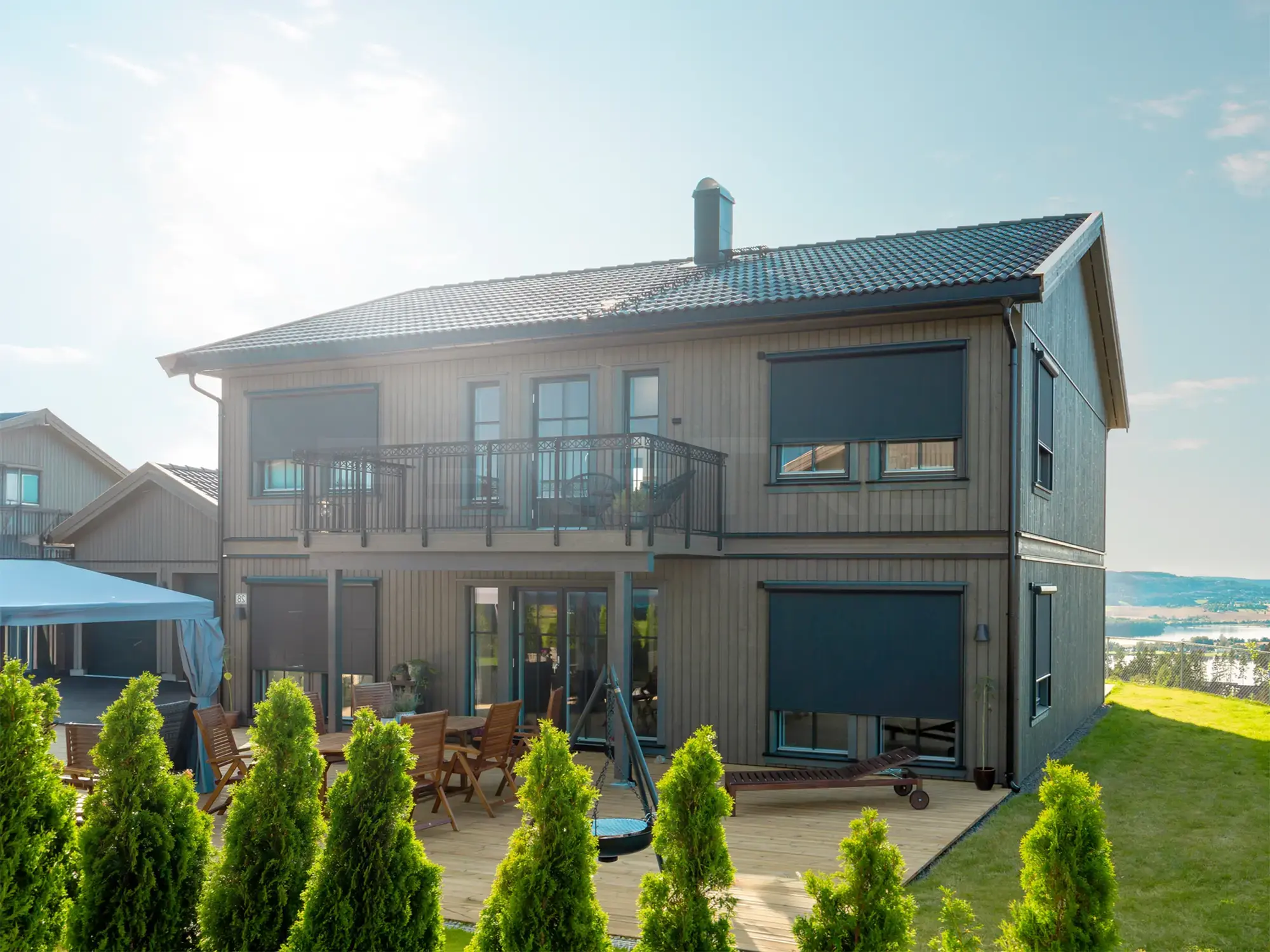
- Wind LockThe zipped channel holds the fabric against outdoor wind.
- Outdoor DurabilityUV, rain and wind resistance.
- Light ControlScreen or blackout fabric options.
Who Is the Outdoor Zip Screen For?
- Terrace
- Veranda
- Pergola
- Conservatory
- Hotel
- Café
On windy outdoor areas it locks the fabric inside the channel — no flapping, no wear.
Outdoor Zip Screen
- Stock Code:
- FS-ZIP-05
- Availability:
- Manufactured on Order
- Brand:
- FENETRE
- Category:
- Zip Screens
Weather-resistant fabric and channel are made to measure — they work locked in wind.
It gives sun control and wind protection on terraces, conservatories, balconies and shopfronts — with a screen or blackout fabric option.
Technical Specifications
Outdoor Zip Screen technical data table
- CassetteA cassette built for outdoor conditions
- Aluminium Box
- FabricUV- and wind-resistant fabric
- Screen / Blackout
- Side ChannelAn edge that stays locked under wind
- Zip Locked
- MechanismMotor or handle drive
- Motorised / Manual
- MountingScrewed connection to the facade
- Screwed — Outdoor
- CompatibilityTerrace and veranda covering
- Terrace · Shopfront
The cassette and channel mechanism seats screwed to the exterior surface.
Brushes inside the channel lock the fabric edge in place against wind.
- The width and height of the exterior opening are measured at three points (cm).
- The wind direction and facade conditions are noted.
- The bearing plane is stated — facade wall, ceiling or a steel skeleton.
On facades with a high wind class a reinforced channel is recommended — it is assessed from a photo of the location.
Production to the exterior facade’s conditions
The outdoor zip is produced to work in wind, rain and UV — the fabric is the exterior series, the rail profile has water drainage channels and the fittings are stainless. An indoor unit wears out quickly outdoors; this distinction is fundamental.
The side-channel lock is the outdoor product’s technical core — the wind load tries to pull the fabric out of the rail; the zipped edge distributes that load along the rail and the fabric stays fixed. The wind class is the unit’s certified value.
The fabric series is chosen by climate and facade — the screen series cuts the sun while letting air through; the PVC-coated series stops rain completely but takes a higher load in wind. On balconies and terraces the two series are different scenarios.
On the motorised version a wind sensor is added — when the threshold is exceeded the unit retracts itself and the fabric is not damaged; the sensor is set for the floor height.
The cassette protects the fabric — retracted fabric stays inside the cassette and contact with rain and dirt is cut; a cassette-free economical variant means the fabric stays exposed. Outdoors, the cassette is chosen.
Balcony and terrace applications
Closing an open balcony with a zip is the alternative to a glass balcony — when the fabric comes down the balcony is left to wind and rain protection; when it retracts the balcony is fully free. The cost and permit needs of folding glass do not apply to this solution.
On café and restaurant terraces the zip extends the season — with the fabric down the terrace stays usable in autumn and winter, and the business keeps its seating capacity. In commercial use the product pays for itself through capacity.
In winter use the fabric series is decisive — the PVC series stops snow and rain; the screen series breaks the wind but does not carry a snow load. In harsh climates the unit is kept retracted in winter.
Commercial and residential use
On a home veranda the hobby and sitting area is closed — closing the open edges turns the veranda into a semi-open room and the furniture is sheltered from the weather.
Fabric density changes with the sun direction — on a west facade a dense weave cuts the evening sun; on a north facade a more open series preserves the light.
The unit count is set by the number of openings — each edge of a veranda is closed with its own unit; independent control lets each edge open separately.
Order details before production
The motor type and sensor setup are specified — the wind sensor is a required part; the sun sensor and timing are optional.
The mounting base and facade material decide the connection — the dowel and screw set for concrete, timber or steel construction is included in the package.
Facade decision list
Any building wanting to close an open area is considered — on veranda, pergola, terrace and balcony edges it gives wind and rain protection.
The wind class is production’s core data — in coastal regions, upper floors and facades forming wind tunnels, robust fabric and locked guides are required.
Winter use depends on the fabric series — PVC-coated fabric stiffens in the cold while the screen series works all four seasons; the regional climate makes the choice.
Questions About Outdoor Zip Screen
Can an outdoor zip be used in winter?
What is the wind limit?
Other Zip Screens Models
Outdoor Zip Screen is built around wind lock, outdoor durability, light control. The remaining 5 models in the Zip Screens range are listed.
Outdoor Zip Screen — Send Your Measurements
Send the width-height and facade information to receive the outdoor zip price.