
























Motorised Zip Screen
Motorised zip screen. A zip system working with a tubular motor and remote control — it opens wide spans at a single touch.
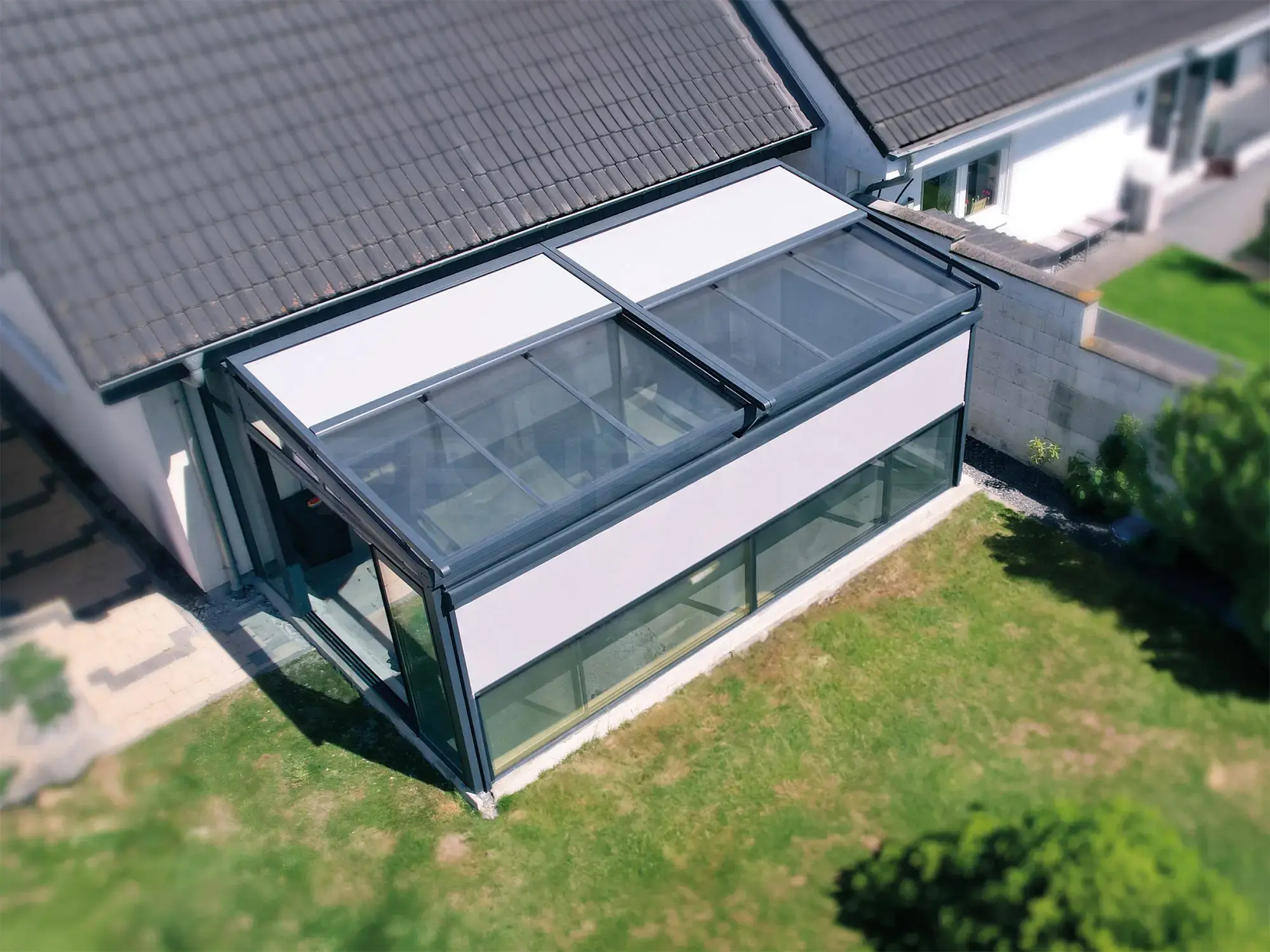
- Remote ComfortOpen-close at a touch, with limit settings.
- Wind LockThe edge stays locked in the channel under motor drive.
- Motor ReadyIntegrates with smart-home systems.
Who Is the Motorised Zip Screen For?
- Wide Terrace
- Shopfront
- Restaurant
- Smart Home
- Hotel
Effortless remote use on wide and high openings — it can connect to automation.
Motorised Zip Screen
- Stock Code:
- FS-ZIP-06
- Availability:
- Produced to Order
- Brand:
- FENETRE
- Category:
- Zip Screens
Motor, cassette and limit settings are finished at the factory — it arrives ready to use by remote.
Operated by wall switch, remote or smart-home automation; it brings comfort on heavy and high installations.
Technical Specifications
Motorised Zip Screen technical production data
- CassetteA cassette layout carrying the motor inside
- Aluminium Box
- FabricFabric durable to the outdoor class
- Screen / Blackout
- Side ChannelThe zipped edge locks into the channel
- Zip Locked
- MechanismTubular motor and remote control
- Tubular Motor — Remote
- MountingScrewed installation on the bearing surface
- Screwed — Outdoor
- CompatibilityWide and high openings
- Terrace · Shopfront
The cassette and side-channel system holds screwed to the surface; the motor line is connected.
Limit settings are done — the fabric stops at the same point every time.
- The opening’s width-height is taken to the millimetre (cm).
- The state of the electrical line and the mounting surface are written.
- The remote or motor choice is stated on the order.
Where a motor connection is wanted, a compatible motor class is chosen — system information is shared.
The motorised zip’s system infrastructure
The motorised zip is the control solution for wide surfaces — the fabric’s weight and the wind load strain a chain mechanism; the motor lifts that load and stops the unit at any position. As the width grows, a motor effectively becomes mandatory.
The wind sensor has a protective role on an outdoor motorised zip — when wind force passes the threshold the unit retracts itself and the fabric is protected; the sensor is set taking the balcony’s floor height into account.
The sun sensor is the comfort motor — when the sun hits the facade the unit lowers automatically and the interior stays cool. With both sensors together the system both protects and acts.
Motor strength is chosen by fabric weight and wind load — on an outdoor zip the motor carries both the fabric and the wind resistance; the torque calculation is done by the unit size and facade conditions.
Remote channels manage unit groups — units on the same facade run together on one channel or independently on separate channels; the channel programme is set at installation.
The motor connection
In smart-home integration the motor type is decisive — RF remote motors connect to the phone through a bridge module; wired BUS motors go straight into KNX and similar systems. The connection type is settled at the order stage.
A scenario programme automates the daily routine — morning opening, lowering at midday sun, evening closing are scheduled by the clock; in holiday mode random movement gives the impression someone is home.
A manual override exists on some motors for power cuts — when the remote does not work the unit can be lowered by hand. The cut scenario is asked about at motor selection; a rechargeable motor works through the cut.
A battery motor gives wireless installation — a unit fitted without pulling a socket line runs on a rechargeable battery; cable appearance and wiring cost disappear.
Order plan and production data
The motor brand is the order’s first question — Somfy, Tuya or similar; a motor compatible with the existing smart-home infrastructure is chosen.
The electrical infrastructure or battery preference is settled before installation — on a wired install the socket point is prepared; on the battery version no wiring is needed.
Sensor and scenario parts are added on the order — sun, wind and rain sensors are written on the list according to the motor plan.
Automation selection list
On multi-unit and wide facades the motorised zip is the standard — pulling each unit by hand on a three- or four-edged veranda is not practical; group control works with a single command.
A wind sensor is a must on a motorised system — in harsh wind while the user is away the unit retracts itself; fabric and mechanism stay protected.
Limit settings are programmed on installation day — the fabric’s lowering and retracting points are set to the opening level so the bottom profile stops without touching the floor.
Service and battery replacement are arranged by access — the motor and battery inside the cassette are serviced by removing the cover; the mounting point does not block maintenance access.
Questions About Motorised Zip Screen
How does a motorised zip connect to automation?
What does the limit setting do?
Other Zip Screens Models
Motorised Zip Screen is built around remote comfort, wind lock, motor ready. The remaining 5 models in the Zip Screens range are listed.
Motorised Zip Screen — Enquire About Ordering
Send the width-height and the control preference to receive the motorised zip price.